

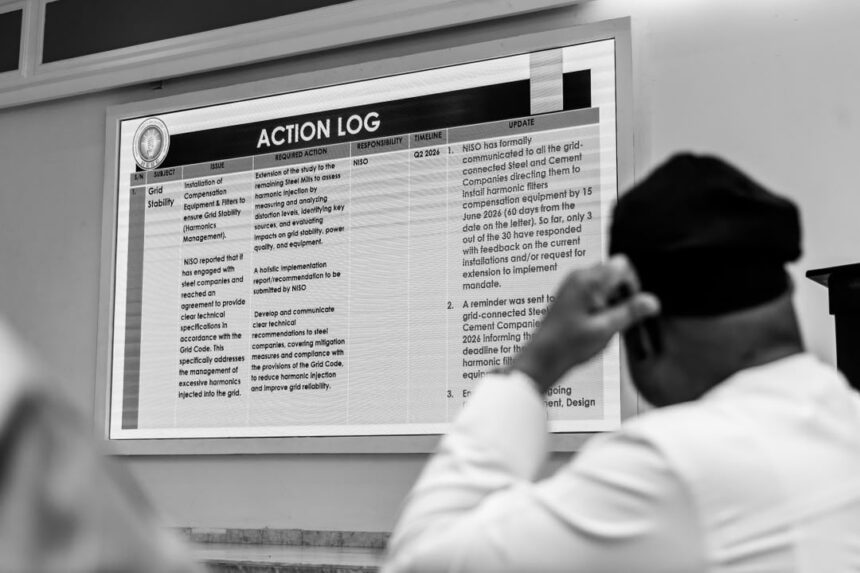
… calls for shared accountability, transparency, protection of power assets
Oredola Adeola
The Minister of Power, Mr. Joseph Tegbe, has unveiled an eight-point reform agenda to stabilise and expand Nigeria’s electricity sector, with a focus on accelerated metering rollout, reduction of ATC&C losses, and the implementation of a cost-reflective yet socially balanced tariff framework aimed at protecting vulnerable consumers while strengthening long-term investor confidence.
He therefore framed the action plans around the core conviction that Nigeria’s electricity crisis requires collective ownership and coordinated responsibility across the entire power value chain.
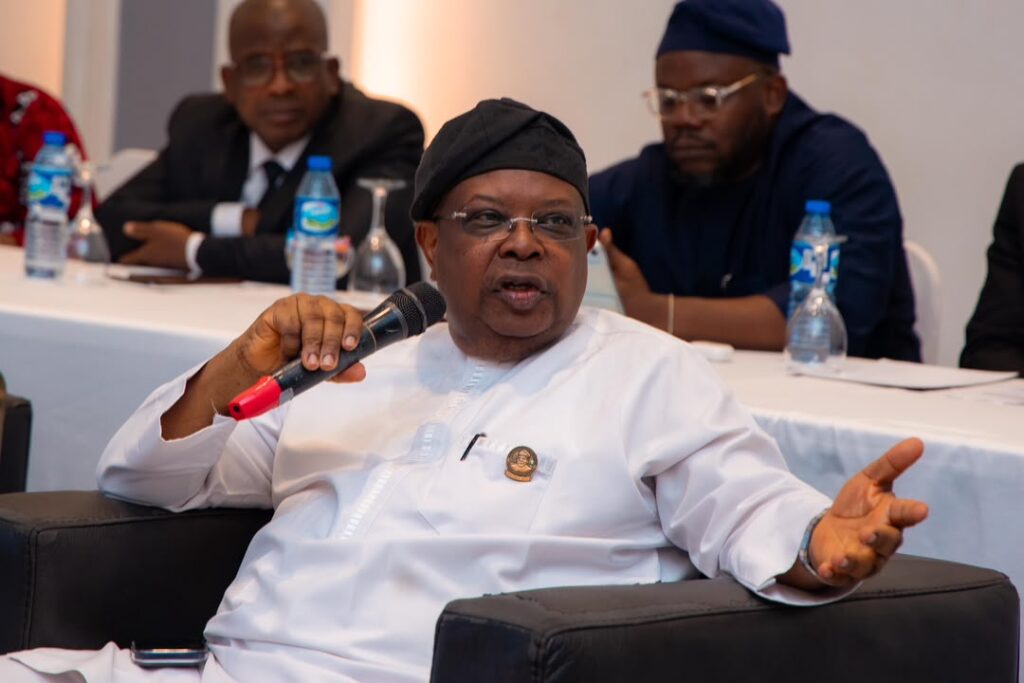
He disclosed this on Tuesday during his remarks at the second quarterly Nigerian Electricity Supply Industry (NESI) Stakeholders Meeting convened by the Nigerian Electricity Regulatory Commission (NERC) in Abuja.
Addressing metering and tariffs, Tegbe noted that estimated billing has long disadvantaged consumers and obscured systemic inefficiencies, adding that efforts are underway to accelerate metering, reduce ATC&C losses and implement a tariff framework that balances consumer protection with investor certainty.
In his keynote address, the Minister emphasised that Nigeria’s power crisis requires collective responsibility, noting that it was neither created nor can be resolved by a single actor, as he urged GenCos, DisCos, TCN, NISO, regulators and government institutions to take shared ownership of both the challenges and the solutions.
He further highlighted the need to designate power infrastructure as Critical National Assets, describing vandalism, grid sabotage and energy theft as direct threats to the economy, while stressing that asset protection must go hand in hand with optimising performance through improvements in transmission capacity, spinning reserves and substation operations.
On market governance, he stressed that tariff reforms must be supported by strict payment discipline, calling for transparent Derived Remittance Obligation calculations to strengthen trust in the sector, while also announcing plans to publish performance indicators and scorecards for operators to enhance accountability.
The Minister anchored his reform agenda on transparency, speed and accountability, reaffirming his commitment to open processes, faster execution and measurable outcomes in driving the sector’s transformation.
The forum, which was Chaired by Dr. Musiliu Oseni, Chairman of NERC, featured power sector stakeholders including operators, regulators and policy actors and had in attendance Mr. Rilwan Babalola, Special Adviser to the President on Power, and Alh Mahmud Mamman, Permanent Secretary of the Ministry of Power.