
…Community Stakeholders-Led Committee inaugurated to drive awareness, implementation
… ECOWAS free movement hampered by poor system integration — Comptroller. Afeni, says AfCFTA offers hope
Oredola Adeola
The European Union (EU) and the International Organization for Migration (IOM), through the CLEEN Foundation, have concluded a three-day capacity-building training on the ECOWAS Protocol on Free Movement for community-based organizations, traditional leaders, traders, and transport associations in the Idiroko border community.

The programme, which ran from Monday to Wednesday, culminated in the establishment of a Community Stakeholders-Led Committee (CSLC) tasked with driving grassroots awareness and ensuring effective implementation of ECOWAS free movement protocols.
Blessing Abiri, Programme Advisor at the CLEEN Foundation, explained that the initiative aims to sensitise community stakeholders on their rights and responsibilities under the ECOWAS free movement framework so that they can educate others in the Idiroko community.
She noted that many residents remain unaware that crossing international borders without valid travel documents is prohibited, underscoring the importance of grassroots sensitisation.
“The CSLC will support migration governance, ensure the ECOWAS protocols are properly observed, and help engage law enforcement agencies to improve interactions with community members,” Abiri said.
She added that a migration information hub would also be established to provide accurate information to border communities and passing migrants.
Chief Paul Olusegun Athanmitonde, Baale Ipinle Maun II and Chairman of the CSLC, stated that the training had enhanced understanding of the ECOWAS free movement protocols among community leaders.
He highlighted that language barriers and limited knowledge of the protocols often result in misunderstandings between migrants and security agencies. “As a committee, we will work to prevent maltreatment and ensure the peaceful movement of people and goods within the ECOWAS corridor,” he said.
Comrade Adeoye Kafilat, CSLC Secretary, emphasised that the committee’s immediate priority is grassroots sensitisation to reduce conflicts, improve cooperation with security agencies, and facilitate smoother cross-border movement and trade.
She noted that previously, residents had been victims of extortion and abuse due to poor understanding of ECOWAS regulations.
Bonny Botoku, Permanent Secretary of the Nigeria–Benin Republic Inter-Border Forum and adviser to the CSLC, described the initiative as a critical step toward enhancing cross-border cooperation.
“Security enforcement remains important, but some challenges require culturally sensitive engagement with traditional leaders who understand local communities,” he explained.
Botoku noted that the training model, previously implemented at the Seme border, is now being successfully extended to Idiroko.
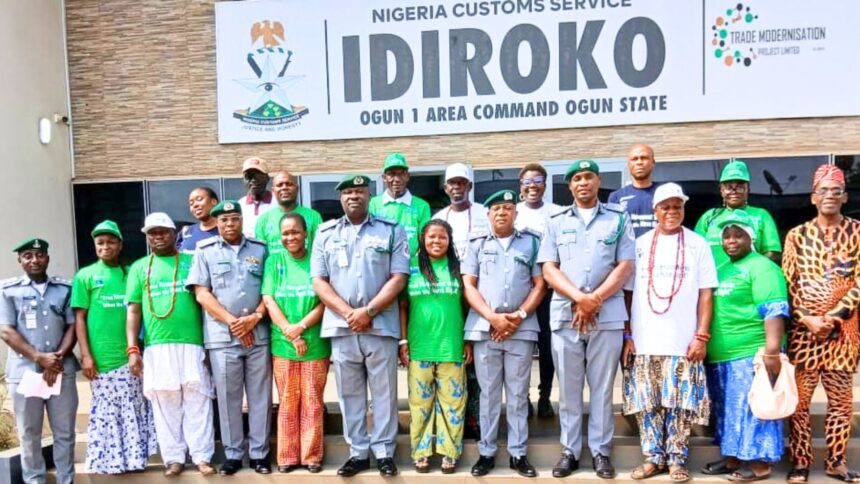
In a post-training visit from the CSLC, Comptroller Olukayode Afeni, Area Comptroller of the Nigeria Customs Service, Ogun I Area Command, stressed that full implementation of the ECOWAS Protocol on Free Movement of Goods and Persons is yet to be achieved due to independent systems across member states.
Drawing a parallel with Europe, he explained, “With a Schengen passport, a migrant is only checked once across all countries.
“We hope that with AfCFTA and the 2030 implementation target, Nigeria and other ECOWAS states can achieve similar integration.”
He commended CLEEN Foundation for training border communities and offered support through the Nigeria/Benin Inter-Border Relations Secretary General.
The three-day programme represents a strategic effort to deepen understanding of ECOWAS protocols, strengthen cooperation between border residents, traditional authorities, and security agencies, and ultimately promote freer and safer movement of people and goods within the region.