
“Namibia’s Affirmative Action Act of 1995 favours professionals with special needs” – Nyambe, President-elect AIEN
“People with Special needs bring laser focus to work environment” Dr. Amao, Lonadek
Oredola Adeola
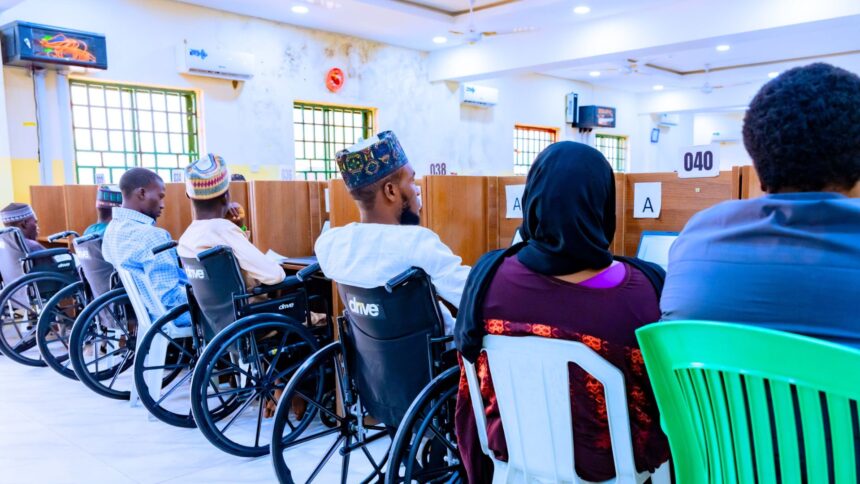
The heartfelt concerns of an undergraduate from Obafemi Awolowo University (name withheld) during a panel session at the 2026 edition of Sub-Saharan Africa International Petroleum Exhibition & Conference (SAIPEC) held in Lagos, have reignited calls for urgent action to support people with disabilities in the oil and gas sector.
At the Q&A session, the student inquired about employment opportunities for individuals with physical or cognitive challenges in the industry.
The moment, which shifted the atmosphere at the session, prompted panelists to lend their voices in advocacy for mentorship programs, targeted recruitment, and stronger legal frameworks to ensure the sector fully recognizes and harnesses the talents of all professionals—regardless of physical ability.
According to the experts, as Africa’s oil and gas industry continues to evolve, true innovation and sustainability cannot be achieved without inclusivity.
Panelists noted that the sector stands to gain not only socially but also economically by tapping into the immense potential of a workforce often overlooked.
They highlighted the pervasive discrimination faced by persons with special needs, particularly in job selection, placement, and recognition of their expertise—despite the unique strengths and perspectives they bring to the sector.

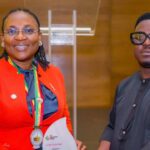
Dr. Ibilola Amao, Managing Partner of Lonadek on her par emphasized the need for understanding coaches and mentors who can guide people with disabilities to discover their purpose, hone their strengths, and contribute meaningfully to the energy industry.
According to her people with special needs bring laser focus to the workforce, making them valuable contributors to any organization.
She noted that individuals with this special talent can play a key role in areas such as information technology, digitalization, and digital transformation.
“This is a perfect match for talented individuals with certain disabilities who possess this unique capability,” Amao who doubles as Programmes Director of the Women in Energy Network (WIEN) said.
Shakwa Nyambe, President-Elect of the Association of International Energy Negotiators (AIEN), Namibia, on his part, shared a personal connection, revealing that his youngest son is on the autism spectrum.
He stressed the brilliance and intelligence of people with disabilities and underscored the importance of systemic support to harness their skills.
Nyambe pointed to Namibia’s Affirmative Action Act of 1995 as a model for inclusion, which prioritizes disabled persons in employment, ensuring that even candidates who rank slightly lower in interviews are given preference if their competency meets the threshold.
“Disabled people are given high preference, alongside women and historically marginalized groups.
“This framework has created tangible opportunities and could serve as a blueprint for other countries,” he explained.
Dr. Riverson Oppong, Regional Director for SPE Africa and CEO of the Ghana National Gas Company, who moderated the session, affirmed that the African oil and gas sector must adopt similar inclusive practices.
He assured that professionals with special needs would be actively supported, advocating for policies that recognize their expertise and provide fair access to career growth.